

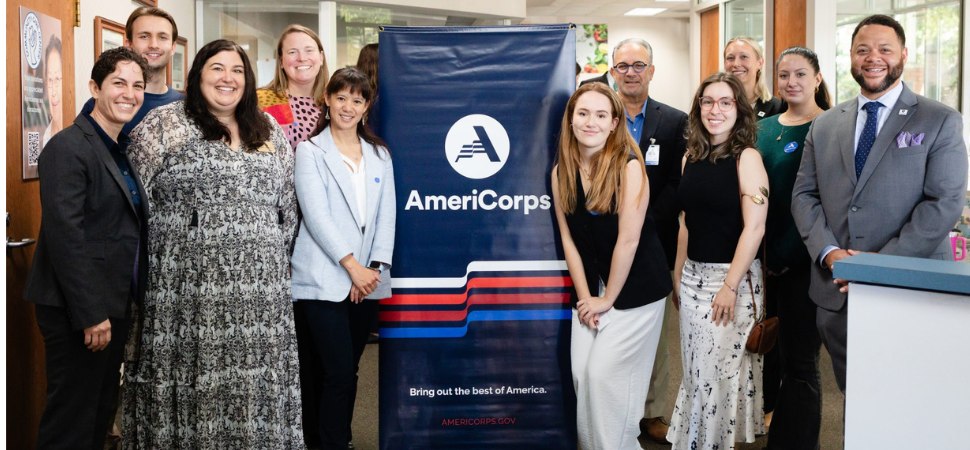
The Office of Civic & Community Engagement is the hub of community-based activity at Wake Forest University. In the spirit of Pro Humanitate, we engage community partners, faculty, staff, and students to create meaningful social change.
The Office aims to leverage resources, build capacity, and incubate community initiatives in Winston-Salem, North Carolina, and beyond.
Community Engagement
The Office of Civic & Community Engagement is proud to partner with organizations throughout the Winston-Salem Community.
Together, Wake Forest University and community partners work together to find creative solutions to pressing issues, leverage resources, and build capacity for sustainable change.
Get Involved
Social
Justice
Interested in organizing for social change? Find ways to collaborate, engage, and organize around issues of social justice.
Service & Leadership
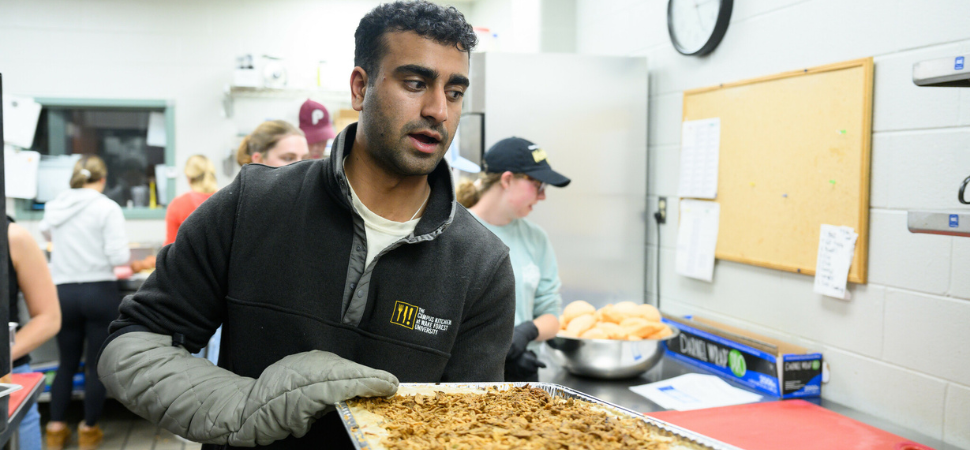
Make a difference through Campus Kitchen, educational outreach, and philanthropic events like Wake N’ Shake and Hit The Bricks.

Civic
Engagement
Want to learn more about issues of public concern, engage across differences in dialogue, or gain professional non-profit experience?
Make an Impact
Education
Equity
Building capacity in schools, neighborhoods, and organizations to support lifelong learning and equitable educational outcomes for all students in Forsyth County.
Health and Nutrition
Impacting health outcomes in Forsyth County through access to healthy meals and fresh produce, cooking skills, and sustainable food sources.
Economic Empowerment
Assisting neighborhoods, organizations, and nonprofits to provide affordable housing, workforce development, and community organizing.
Recognition